

Wall thickness uniformity is the cornerstone of plastic manufacturing quality, directly determining the performance, cost-effectiveness, and structural integrity of products. Uneven wall thickness can lead to a series of defects: thin areas are prone to short shots and stress concentration, reducing the tensile strength of load-bearing components such as automotive brackets or medical housings by up to 30%. Thick areas can cause sink marks, voids, and warpage due to differences in shrinkage rates, exceeding ±0.5% dimensional tolerances. For engineering plastics like polyetheretherketone (PEEK) or glass fiber reinforced polyethylene terephthalate (GF-PET), uneven cooling can exacerbate crystallinity differences and accelerate fatigue failure. From an economic perspective, wall thickness deviations can increase material consumption by 5% to 15% due to the need for overdesign and higher scrap rates, while warped parts can increase the assembly scrap rate of precision industries such as electronic connectors by 20%. Regulatory standards (such as ISO 20457 for medical devices) stipulate strict wall thickness tolerances, making wall thickness uniformity a necessary condition for functional compliance and market competitiveness.
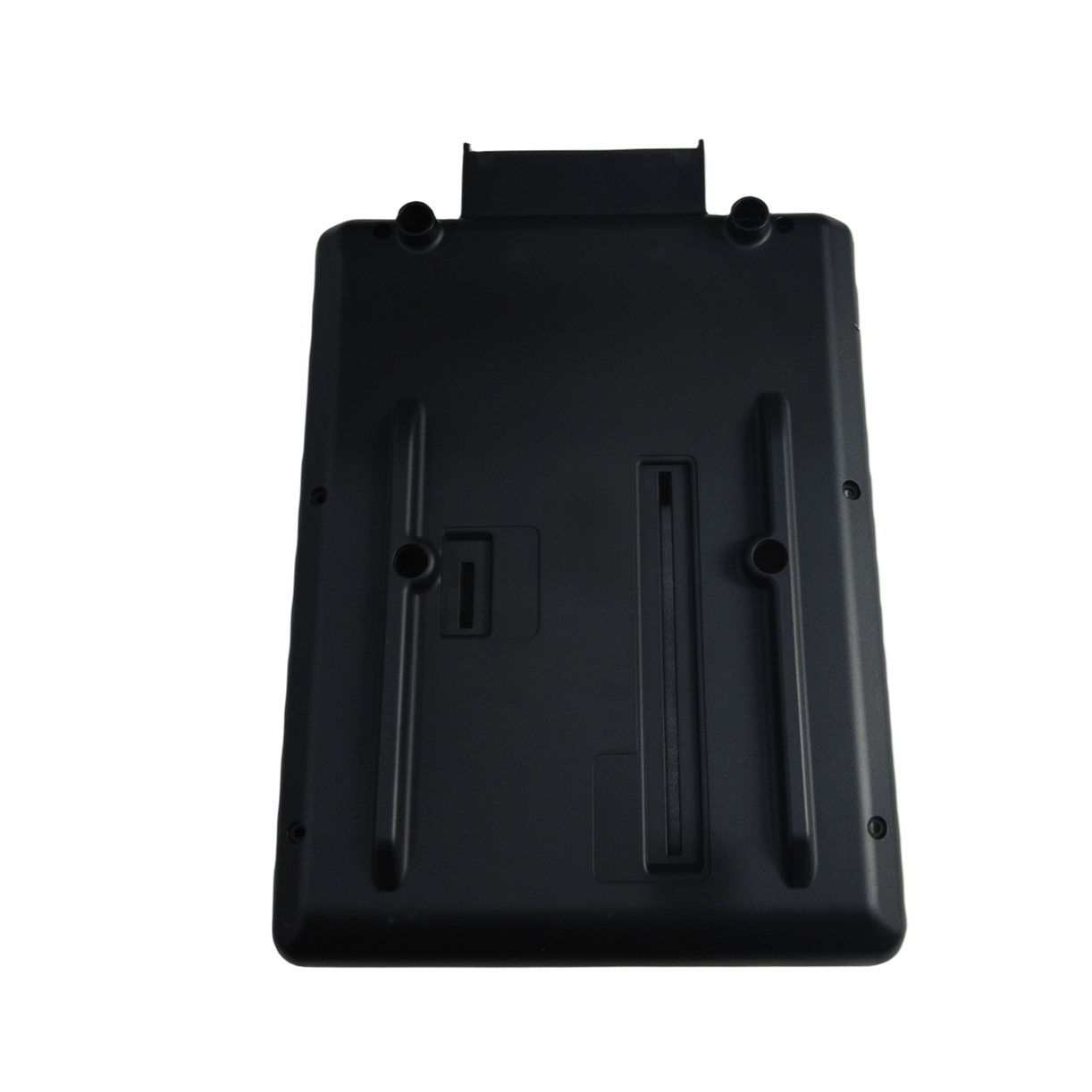
Material properties and process dynamics are intertwined, posing challenges to uniformity. Polymers exhibit viscosity-sensitive flow characteristics: high melt index polypropylene can smoothly fill 0.3 to 0.5 mm thin walls at 280°C, but injection speeds over 150 mm/s carry a risk of jetting; while low-flow polycarbonate requires higher pressure (120 to 150 MPa), but is prone to flow marks in ribs less than 1 mm. Hygroscopic resins (such as polyester, nylon) must be pre-dried to a moisture content below 0.02%, otherwise moisture variations can cause hydrolytic bubbles and silver streaks. Crucially, mold design determines flow balance: asymmetrical gate locations create leading and trailing flow zones, causing areas near the gate to thicken while those far from it are under-supplied. Poor cooling efficiency exacerbates this issue - when cooling channels are more than 25 mm from the cavity, a ±15°C temperature gradient occurs, slowing down the curing speed in thick areas and increasing sink mark depth by 0.1 to 0.3 mm.
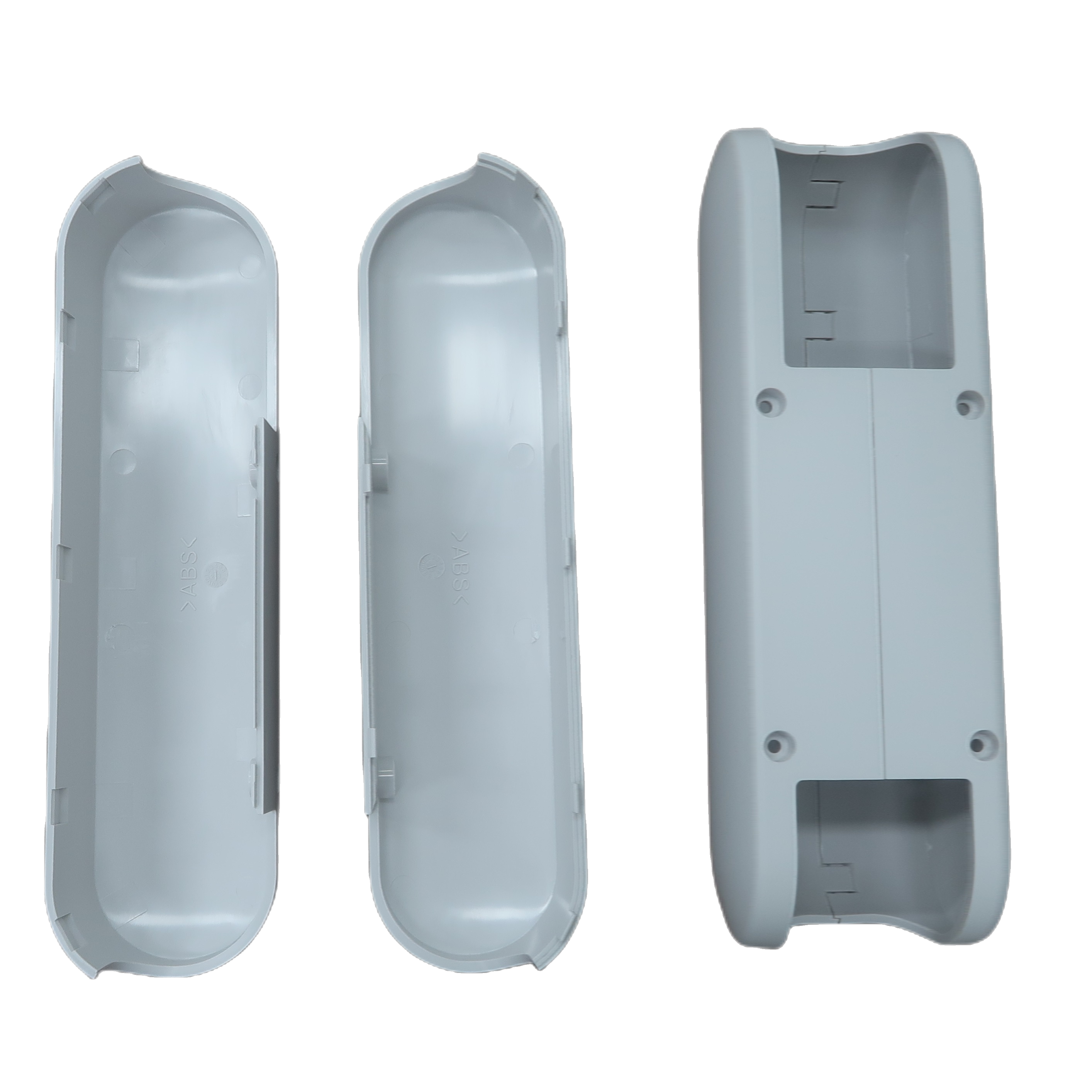
Process optimization depends on three key factors: parameter accuracy, mold engineering, and real-time control. Barrel temperature zoning must match material rheology - the rear zone is set at 180 to 200°C for gradual melting, while the area near the nozzle is set at 220 to 290°C to maintain laminar flow. For glass-filled grades, hardened screws (L/D ratio 20:1 to 22:1) prevent fiber breakage under shear. Hold pressure (50% to 80% of injection pressure) is used to counteract shrinkage: a 3 mm PA66 gear requires 90 seconds of hold time to suppress sink marks, while thin-wall packaging (less than 0.5 mm) needs shorter cycles and mold temperatures of 100 to 140°C to accelerate crystallization. Mold innovations, such as conformal cooling - 3D printed channels with temperature uniformity within ±5°C - can reduce the cycle time of automotive lamp housings by 30% and warpage by 40%. Radial temperature adjustments must be kept within ±10°C to avoid residual stress.
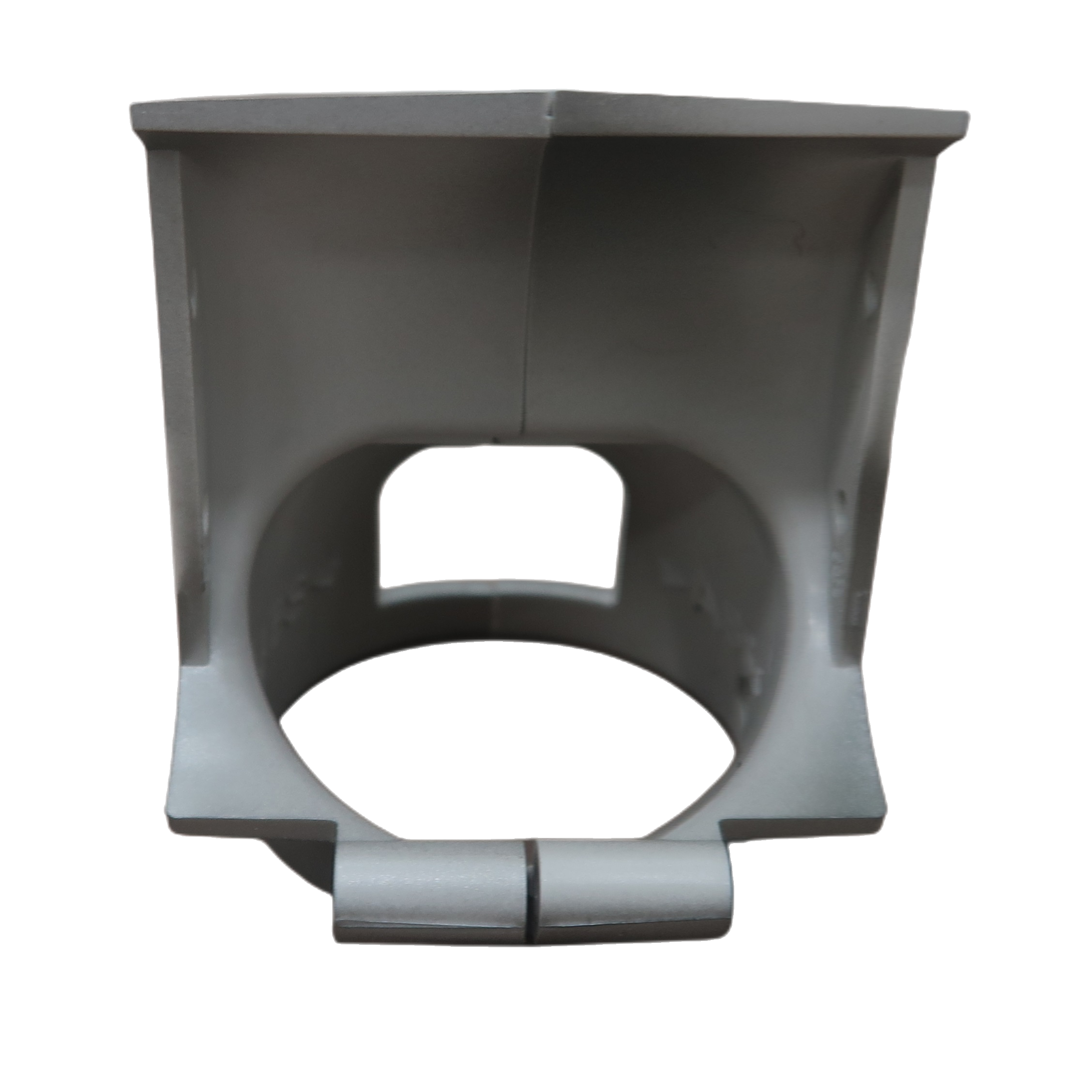
Today's advanced technologies enable predictive consistency. AI-driven systems (such as Moldflow simulation) can simulate the advancement of the melt front and pressure decay, identifying areas prone to sink marks before mold manufacturing. For complex geometries, axial/radial wall thickness control adjusts the mandrel position during extrusion to thicken corners with high blow ratios in blow-molded fuel tanks. Gas-assisted molding injects nitrogen into thick-walled sections, such as the handles of trays, to form hollow cores, reducing weight by 30% and eliminating sink marks. Closed-loop recycling of the runner system (20% - 30% of the recycled material) can maintain viscosity stability, but it requires strict monitoring of the melt flow index to avoid strength reduction. Emerging solutions, such as variable mold temperature cycling, use induction heating to locally delay the cooling at weld lines, increasing strength by 25%.
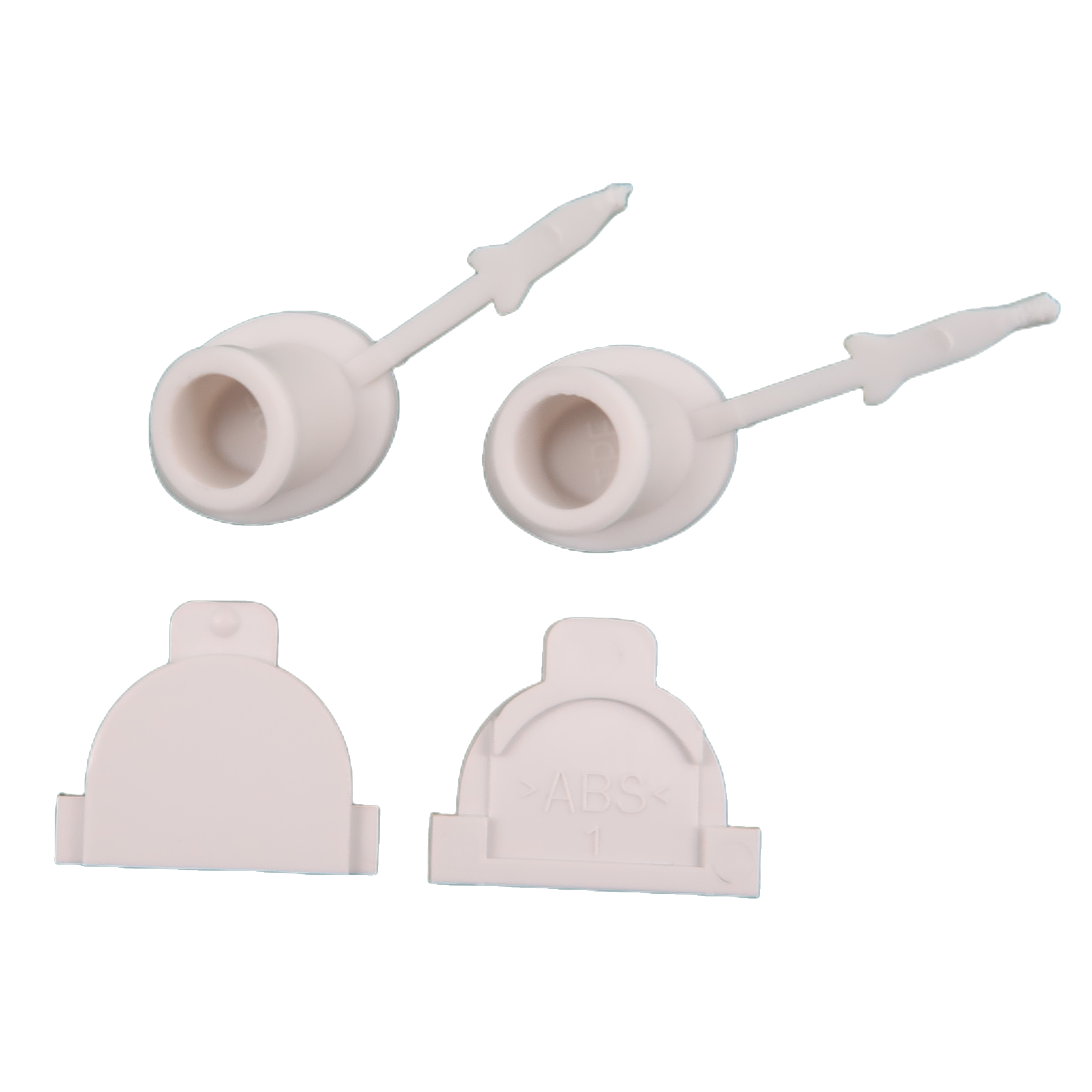
Looking ahead, the integration of the Internet of Things and materials science will redefine uniformity standards. Sensors embedded in molds will transmit real-time viscosity/temperature data to AI controllers, which will automatically adjust parameters within a 0.5-second response window to maintain a thickness tolerance of ±0.05 mm. Biobased polymers with smaller shrinkage variations, such as PHA blends, are becoming increasingly popular, while nanoclay additives can improve the flow uniformity of thin-walled parts. For manufacturers, investing in these integrated systems - rather than isolated corrective measures - will bridge the gap between theoretical design and defect-free production, transforming uniformity from a quality metric into a competitive accelerator.